
 44 111 997
 Whatsapp
 50 111 996
A fresh manicure has a way of making everything feel more polished, from a busy working day to a family celebration at the weekend. Yet chips can appear surprisingly quickly when nails are not prepared well, cuticles are dry, or hands spend the day in water and cleaning products. If you have been wondering how to make your manicure last, the answer is not one miracle product. It is a few thoughtful habits before, during and after your appointment.
Start with healthy, well-prepared nails
Long-lasting colour begins before the first coat of polish. Nail varnish needs a clean, smooth surface to grip, so avoid applying hand cream, cuticle oil or sunscreen immediately before a manicure. These are excellent for skin, but any oily residue left on the nail plate can make polish lift sooner.
If you are preparing at home, remove old varnish thoroughly, wash and dry your hands, and gently push back rather than cut the cuticles. Over-cutting can leave skin sore and prone to peeling, which makes the whole manicure look untidy. File nails in one direction with a fine file instead of using a back-and-forth sawing motion. This helps prevent splitting at the edges, where chipping often starts.
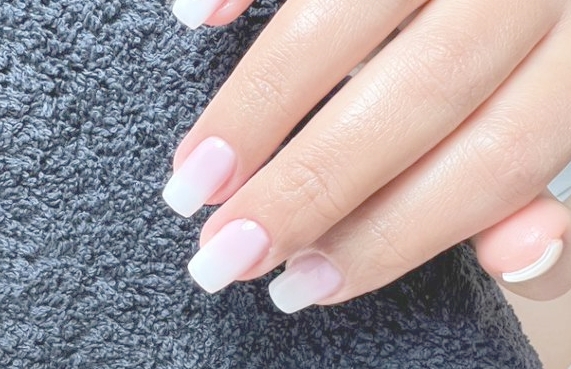
Shape matters too. Very long square corners may look striking, but they are more likely to catch on a handbag zip, keyboard or clothing. A soft square, oval or squoval shape is often more practical for everyday wear. The best choice depends on your lifestyle, nail strength and the look you enjoy.
At a salon, careful prep is one of the biggest differences you can see in the finished result. An experienced nail specialist will assess your natural nails, tidy the cuticle area safely and select a treatment that suits their condition rather than treating every nail in the same way.
Choose the manicure that fits your routine
A classic polish manicure is glossy, elegant and easy to change. It is ideal if you enjoy switching shades frequently or need a quick beauty refresh before an occasion. With good preparation and aftercare, it can stay neat for several days, although repeated handwashing and household tasks will naturally shorten its wear.
Gel polish is a stronger option for clients who want colour to last for around two to three weeks. It is cured under a lamp, creating a durable finish that resists everyday knocks more effectively than standard varnish. Gel is particularly helpful before holidays, weddings or periods when you have little time for touch-ups.
However, longer wear should never mean forcing a manicure to stay beyond its best. If gel begins to lift, do not peel it off. Peeling can remove layers from the natural nail and leave it weak. Have it removed professionally, then let your nail specialist advise whether you are ready for a fresh set or would benefit from a nourishing break.
Builder gel, overlays and extensions can offer extra support for nails that bend or break easily, but they are not automatically the right answer for everyone. The healthiest choice depends on the condition of your nails and how well you can maintain regular infill or removal appointments. Beautiful nails should still feel comfortable and cared for.
How to make your manicure last after the appointment
The first few hours make a real difference, especially with regular polish. Although the surface can feel dry quite quickly, deeper layers may still be setting. Treat your nails gently for the rest of the day and avoid hot baths, steam rooms, swimming and any task that keeps your hands in water for a long period.
For the days that follow, think of your manicure as a protective finish, not a tool. Use the pads of your fingers to open cans, lift lids or press buttons rather than the tips of your nails. Small habits like this prevent corner chips and breaks far more effectively than a last-minute repair.
Water and chemicals are the two most common causes of early wear. Washing hands is essential, of course, but wear gloves when washing dishes, cleaning the bathroom, gardening or handling stronger products. This protects both the polish and the skin around the nails from dryness.
Keep cuticle oil close by and use it daily, ideally before bed. It takes only a moment, but it keeps the surrounding skin supple and can help a gel manicure remain flexible rather than dry and prone to lifting. Follow with hand cream, paying attention to the fingertips. In Qatar’s air-conditioned spaces and warm outdoor weather, hands can lose moisture quickly, even when you do not notice it.
Protect the edges, not just the colour
Most chips begin at the free edge of the nail. That is why a good manicure includes sealing the edge with colour and top coat, and why gentle treatment matters afterwards. If you wear regular varnish, a thin layer of top coat every two or three days can refresh shine and provide an extra layer of protection. Apply it across the tip as well as the surface of the nail.
Avoid adding thick layers in an attempt to repair a worn manicure. Heavy coats can look uneven and take longer to dry. For a small chip on a classic manicure, lightly smooth any roughness, dab on a little matching colour, then finish with a fine top coat. If several nails are chipped, a new manicure will look much cleaner.
For gel polish, do not file or clip the coated edge to shorten your nails unless your nail specialist has advised it. Breaking the seal can allow water to get beneath the product, causing it to lift. If a nail cracks or catches, arrange a repair promptly rather than picking at it.
Keep nails strong between manicures
A manicure lasts better when the natural nail underneath is in good condition. Brittle nails can bend, and bending causes polish or gel to crack. Make daily hand and nail care part of your routine rather than something reserved for the day before an appointment.
Use a moisturising hand cream after washing your hands, apply cuticle oil regularly, and avoid using acetone-based remover too often if you wear regular polish. When you do remove colour, be gentle. Hold the remover-soaked cotton on the nail for a few seconds, then wipe away the varnish instead of rubbing aggressively.
If your nails are peeling, repeatedly breaking or showing changes in colour or texture, give them attention before covering them with another manicure. A nail specialist can recommend a suitable care plan, but persistent changes may need medical advice. Cosmetic treatments should enhance healthy nails, not hide a problem that needs checking.
Book maintenance before wear becomes damage
The most polished manicures are maintained, not stretched too far. Schedule gel removal or infills at the interval recommended for your chosen service, particularly if you notice regrowth, lifting or a change in how the nails feel. Regular maintenance also gives your specialist the chance to check your natural nails and adjust the service as your needs change.
For a quick, polished refresh in Doha, Boulevard Beauty Salon’s nail specialists can help you choose a finish that works for your routine, whether that is classic colour for a special event or a longer-wearing gel manicure for busy weeks. Arriving with clean, product-free nails and sharing how you use your hands each day helps create a result that looks lovely for longer.
A lasting manicure is less about being precious with your hands and more about giving your nails the same care you give the rest of your beauty routine. A little preparation, daily hydration and timely maintenance will keep that fresh-from-the-salon feeling with you well beyond the first day.


We have had our spa for a year now and it works great,whenever they are right there.
We have had our spa for a year now and it works great,whenever they are right there.
